
There has never been a better time to ‘go zero waste’. With the right partners, the right diversion outlets, and the documentation infrastructure to back it up, 100 percent landfill diversion is an operational reality for any facility, any waste stream, and any industry.
By Chad DeGraffenreid
Today, achieving Zero Waste to Landfill (ZWTL) is within reach, even for the hardest-to-divert waste streams. And with the right resources and technology, “going zero waste” is more achievable and more cost-competitive than ever before. Even the most difficult waste streams can be processed and recovered into new sustainable resources—manufacturing byproducts, mixed plastics, engineered plastics, even packaged food waste can be de-packaged and separated into compost and alternative fuels.
Whether you are running a manufacturing plant, a distribution center, or a multi-site industrial or commercial operation, 100 percent landfill diversion can be an operational reality. Facilities that successfully achieve and maintain ZWTL status share one thing in common: they see it as an operational system, not a once-and-done sustainability milestone. Successful EHS teams understand that a system has defined inputs, processes, accountability, and feedback loops. ZWTL programs that function as system are built on three operational phases.
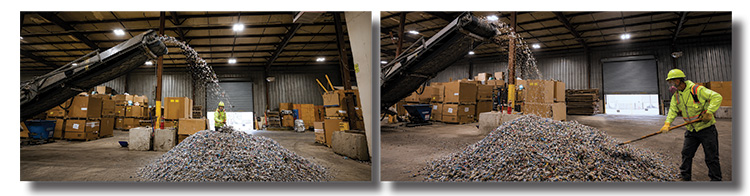
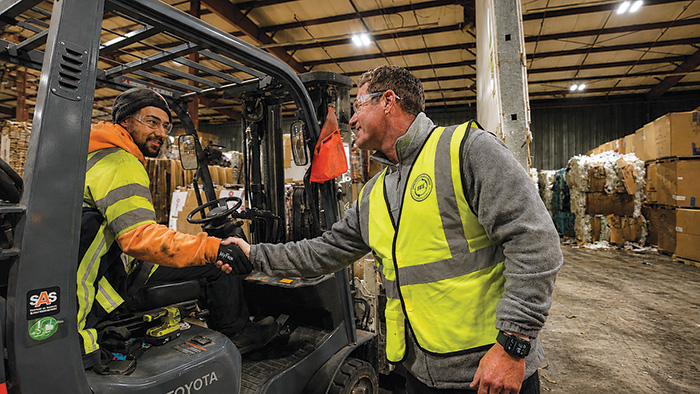
Photos courtesy of Simplified Environmental Solutions.
#1: Identify and Characterize Facility Waste
You cannot divert what you have not characterized. The first step in “going zero waste” is conducting a rigorous waste stream audit. What waste is being generated? How much volume? And where is it currently going? Most facilities that send mixed or contaminated waste to landfill have never fully characterized the recoverable material. This critical step establishes a diversion baseline and flags which materials present the greatest diversion challenges and opportunities.
When selecting a waste diversion partner, look for a company that holds TRUE Zero Waste to Landfill certification, UL 2799 Zero Waste to Landfill certification, or other verified landfill diversion credentials. The most-impactful companies combine the process discipline of Lean Six Sigma Black Belts and the credibility of TRUE Zero Waste to Landfill to create a ‘lean and green’ sustainability program that eliminates landfill dependency while maximizing resource recovery. Sustainability and operations in total alignment.
#2: Identify Landfill Diversion Outlets
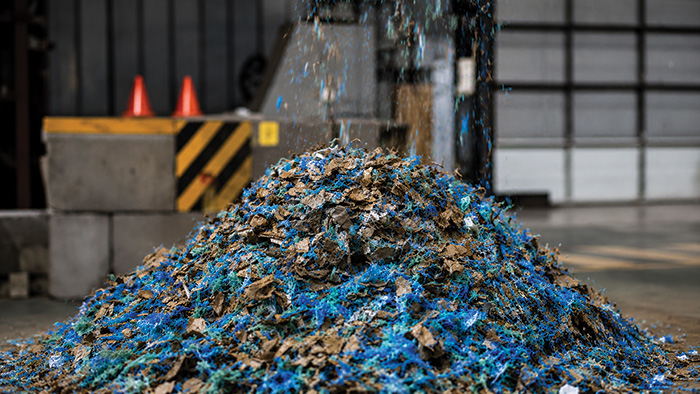
Once waste streams are characterized, each one needs a matched diversion pathway: traditional recycling, beneficial reuse, material recovery, or energy recovery. Clean and uniform waste streams are easily routed to established recycling markets. However, non-conventional waste streams without a traditional outlet can be more difficult to divert from landfill. These materials can be processed into a new energy resource known as alternative engineered fuel (AEF).
Today, AEFs represent the most viable, and often the only true pathway to achieve 100 percent ZWTL. For facilities with an existing landfill diversion program, AEFs solve a common problem—a stubborn fraction of waste (often 10 to 20 percent) that resists every other diversion pathway, such as mixed plastics, non-conforming materials, and food and beverage waste. Specific to food production, the AEF solution goes further. With the right depackaging technology, packaged food waste can be effectively separated into organic materials and packaging materials. Organics become compost and nutrient-rich soil, while the packaging is processed into AEFs, creating a documented 100 percent landfill diversion solution.
AEFs are produced from non-recyclable industrial waste converted into a high-BTU fuel that replaces fossil fuels in cement kilns and other high-temperature industrial applications. The key distinction from incineration is that AEFs are a resource recovery pathway, not disposal. The waste material’s energy value is captured and used to displace virgin fuel consumption. And when processed in a cement kiln, the residual ash byproduct is incorporated into the final cement product, making it a 100 percent landfill diversion pathway with no residual waste.
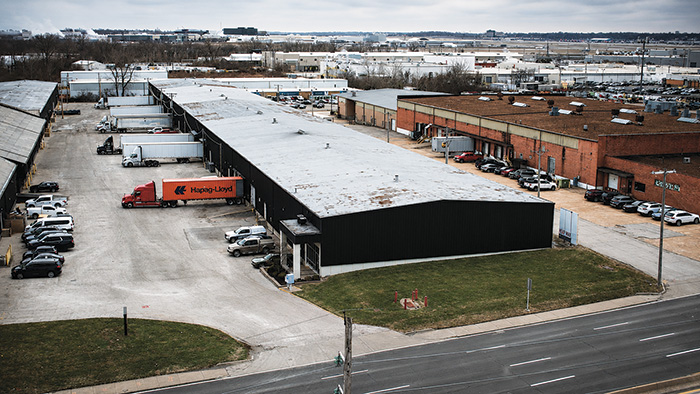
Cement kilns operate under strict fuel specification requirements: BTU value, moisture levels, material composition, and ash content all factor into whether a material qualifies as fuel. AEF product can be engineered to a kiln-approved profile, ensuring waste materials meet the specification requirements for legitimate fuel usage. Additionally, a pre-approved profile provides reliability for high-volume waste generators needing landfill diversion today.
For waste generators, AEFs are a critical outlet that make 100 percent landfill diversion possible. For kilns and industrial fuel consumers, AEFs represent a sustainable, domestic fuel source that reduces dependence on fossil fuels and supports their own sustainability goals. A true win-win for industrial-sector sustainability.
We are at a point today where landfill diversion is achievable for any facility, any waste stream, any industry. And alternative fuels are a pathway that makes that possible. What used to go to landfill can now be used to create a sustainable fuel source, a recycled commodity, an organic compost or fertilizer. With the right technology and infrastructure, nothing has to go to landfill anymore.
Is Alternative Engineered Fuel the Same as Waste-to-Energy?
No. The Waste-to-Energy (WtE) process feeds mixed waste directly into a combustor to generate electricity or heat. While WtE recovers energy and reduces the volume of material sent to landfill, it also produces an ash byproduct equivalent to roughly 30 percent of the original waste stream. This residual ash typically requires offsite landfill disposal.
Landfill Diversion Is Now Cost-Competitive
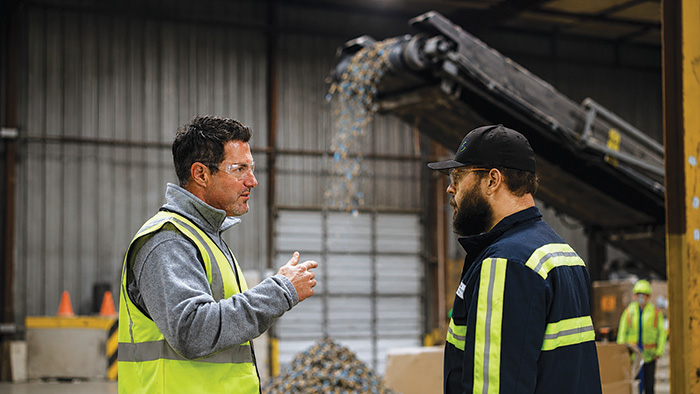
For many years, the primary objection to landfill diversion was cost. Landfills were cheap and convenient. But rising tipping fees, transportation costs, and tightening regulations have changed that equation significantly. In today’s market, many waste generators find AEF processing to be cost-equivalent or cheaper than landfill disposal. The full cost comparison favors diversion when accounting for regulatory risk, remediation liability, and brand liability (the disposal of brand-sensitive materials that require assured destruction verification).
#3: Zero Waste Documentation
The final stage of a successful ZWTL program is documentation, and this is where many programs fall short. The UL 2799 Zero Waste Standard, TRUE Zero Waste to Landfill Certification, OEM sustainability mandates, and corporate ESG mandates all require verified proof of waste diversion. This means chain-of-custody records, verified tonnage, photo documentation, and Certificates of Diversion for each waste stream. Without a robust reporting infrastructure in place, a waste generator could divert 100 percent of its waste and still fail an audit. When going zero waste, you are only as good as you can measure, and if you are not measuring it, then you are not doing it.
Finally, zero waste documentation earns credibility with corporate sustainability teams and supply chain partners who reward verified landfill diversion. And in a world where greenwashing is at an all-time high, documentation is a competitive advantage.
An Operational Reality
There has never been a better time to “go zero waste”. And with the right partners, the right diversion outlets, and the documentation infrastructure to back it up, 100 percent landfill diversion is an operational reality for any facility, any waste stream, and any industry. | WA
Chad DeGraffenreid is CEO of Simplified Environmental Solutions, a company that provides verified landfill diversion solutions to customers nationwide. With six zero waste facilities across the U.S., SES offers a complete range of landfill diversion services, zero waste manufacturing, food waste de-packaging and reclamation, non-hazardous materials processing, industrial recycling, and assured destruction of finished goods. Additionally, SES processes non-recyclable materials into alternative engineered fuels, a direct offset to coal and natural gas. SES helps U.S. companies of all sizes meet sustainability goals, eliminate waste from operations, and participate in the circular economy. For more information, visit www.zerowaste-ses.com.